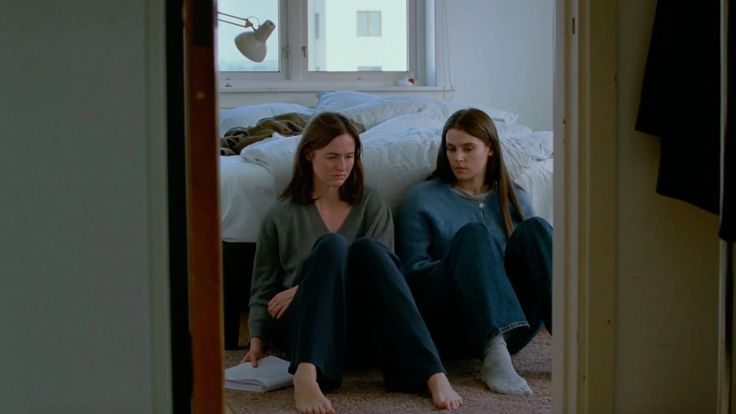
Sentimental Value is a touching story that explores a fractured family’s journey of finding their way back together after years of isolation and absence from each other’s lives. For years, their unresolved pain and trauma had been building up, with no form of release. When Nora and Agnes reunite with their father, Gustav, whom they have not seen in a while, old bruises start to resurface, and the repressed history that shaped their lives begins to spill into the spaces between them.
Nora, a successful theater actress, has built her life around performing, as a way for her to hide from reality and control her world in a way that life never permitted her to. Her stage fright is a manifestation of old emotional wounds formed from her avoidance of confronting her past. Agnes, though, approaches life through research and observation, having chosen the career of being an academic historian. She studies history with a need to understand what has happened, rather than suppress them. Together, the sisters embody opposing responses to trauma: avoidance and engagement.
Gustav’s decision to make a film about his mother becomes a catalyst for reopening his relationship with his daughters. His script is an attempt to reconcile with his daughters and come to terms with the past and his own regrets, using art as a shield against true exposure. While the film is meant to process trauma, it strips away the barriers that had once kept the family apart. Nora rejects her father’s offer to play the main role in the movie, uncomfortable with the way reality blurred within the project. He ends up hiring Rachel Kemp, intensifying the tension in his family. His attentiveness toward Rachel over his own daughters, deepens that sense of displacement his daughters feel.
As production unfurls, Gustav’s tendency to hide behind his work rather than having honest conversations becomes increasingly evident. When he collapses due to drinking away his emotions, it serves as a severe turning point, a moment that allows understanding. Agnes reading her grandma’s wartime documents alongside Gustav’s scripts, leads to a key realization: the movie’s plot is inspired only by her grandma’s experiences but also her father’s regrets with his fractured relationship with Nora. This discovery shows that sometimes art can make it easier to discover a truth rather than direct conversation. This showed that sometimes art can uncover more truths and understanding than direct confrontation.
This realization pushed Nora to work in the film and repair her relationship with her father. In the final scene of the film, Nora and Gustav share a quiet moment. They don’t touch, they don’t hug, they don’t speak, or physically acknowledge each other, yet a feeling of reconciliation is still achieved. They stare at each other after they finish filming the movie, a feeling of understanding reaching each other’s eyes. Sentimental Value is a direct, powerful representation of how art can bridge the gap between people who struggle to communicate with each other, and allow healing to occur without erasing the past.



 The Film Reel
Leave a comment