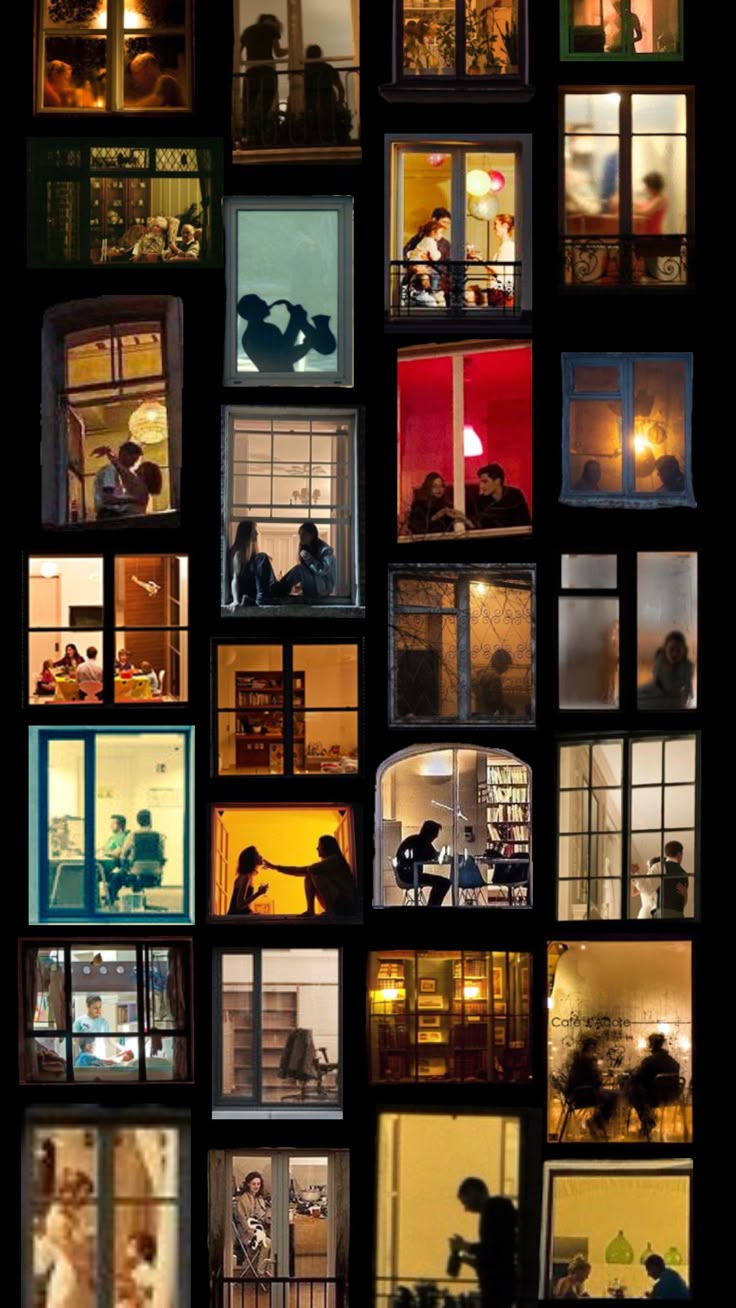
Media representation. Why is it so important? The earth has 8 billion people. 8 billion different stories. 8 billion different experiences. Yet for the longest time, only a fraction of those stories have been told.
Media representation is important because it structures the foundation of how different aspects of the world are seen. The stories we consume don’t just entertain us; they rewire our perception of reality as time goes by, not only rewiring how we see the world but how we see ourselves.
For the longest time, I grew up rarely seeing Indian representation on screen, especially characters who weren’t central to the story. That absence of people who looked like me made me believe that entering the film industry could be impossible. When representation did appear, the story would often be limited to stereotypes: heavy accent, computer genius, and overall no nuance. The impact of this? It reinforces stereotypes pushed onto these groups and allows people who aren’t part of these communities to have their pre-existing assumptions about these stereotyped communities strengthened. By seeing these same portrayals over and over, audiences internalize a close-minded understanding of the experiences of these misrepresented groups.
It wasn’t until later, as I started seeing more Indian representation in shows like Bridgerton and Percy Jackson, that my perception began to shift. These projects placed Indian actors at the center of the story and made their stories complex and full of depth. They could be romantic. They could be flawed. They could be messy. That visibility made me feel like being in this industry could be achievable.
A lot of people see representation in media as just forcing diversity for the sake of public perception, but a lot of those people don’t realize that representation is about expanding the possibilities of storytelling. When people see those like them reflected on screen, their experiences are seen as worth telling. When they don’t, it makes them feel like their stories don’t matter.
In film, when there’s an increase in representation, it gives more power and opportunities to open for future creators, not just audience members. It makes people believe that they can not only be behind the camera, but also in front of the camera.
 The Film Reel
Leave a comment