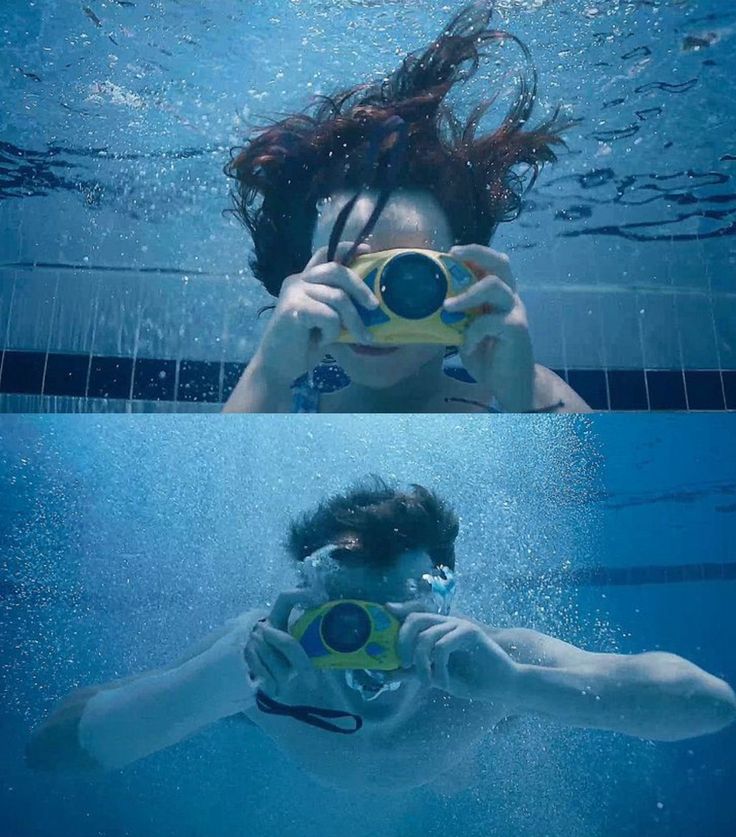
Aftersun is a film about intergenerational depression that follows Sophie as she remembers a childhood vacation with her father, Calum. The story unfolds through shaky and fragmented home video footage. This approach creates a sense of closeness between the viewers and the memories.
As someone who has quietly dealt with depression, I found the film’s portrayal of mental illness to be realistic and touching. Although it never explicitly assigns a mental health diagnosis to Calum, it still feels genuine. Many visual media depict depression in a stereotypical way, showing those affected as loud, dressed in dark clothes, friendless, and often rude. While some people with depression may fit this description, not everyone does. A person who is poor, friendless, listens to dark music, and wears dark clothes can be depressed. So too, can a cheerleader who is popular, wealthy, with many friends, and a long-term boyfriend. Depression does not only exist in dark rooms filled with dramatic crying, as the media often suggests. Some people cope through smoking cigarettes, practicing Tai Chi, or hiding their feelings behind smiles to keep loved ones happy. Sometimes, it can show up in casual comments, like telling a diving instructor you never expected to reach this age. So even though Calum comes across as an ordinary dad on vacation, and terms like “depression” or “suicide” are never mentioned, we learn that he takes his own life after the trip.
The film starts with a rave scene featuring an older Sophie. Her eyes are shut as if she is deep in thought. When she opens them, we shift back to her childhood on the first day of vacation, laughing with her dad on a tour bus. From there, Aftersun glides through her memories in brief, fleeting moments: Sophie asleep while Calum smokes outside, playing in the hotel pool, dancing in the nightclub, or Sophie playing pool with other kids. The first half of the movie feels peaceful, as if we are simply watching the happy memories of a father and daughter on vacation.
However, the warmth of the first half begins to fade in the second half. It highlights Calum’s inner battles. Signs of his struggles become evident.
The film also explores intergenerational trauma and how early it can show up. A memorable moment occurs when Sophie, back in the hotel room after a long day, says, “Do you ever feel like you’ve just done a whole amazing day, and you come home tired and down, and it feels like your bones don’t work? They are just tired. Everything is tiring. And you’re just sinking.” Calum sees this as a sign of depression and likely feels guilty about passing it on. This guilt surfaces in moments like him spitting at himself in the mirror or being unable to sing karaoke with Sophie.
The camcorder serves as a kind of scrapbook for Sophie to revisit later. Calum fills it with videos from their trip, knowing these are their final moments together.
Aftersun reminds us of the harm caused by intergenerational trauma and the impact of mental illness on families.



 The Film Reel
Leave a comment